 Beauty & Self-Care
 Home & Bedroom
 Home Gadgets
 Fire & Home Safety
 Car & Everyday
 Pet Supplies
 Software & Learning
 Digital Gift Cards

Winter along the Front Range is famous for swings. A sunny 60 degree afternoon can turn into a snowy single-digit night, and chinook winds can rattle a house for days. These fifteen-minute checks help your home handle all of it.
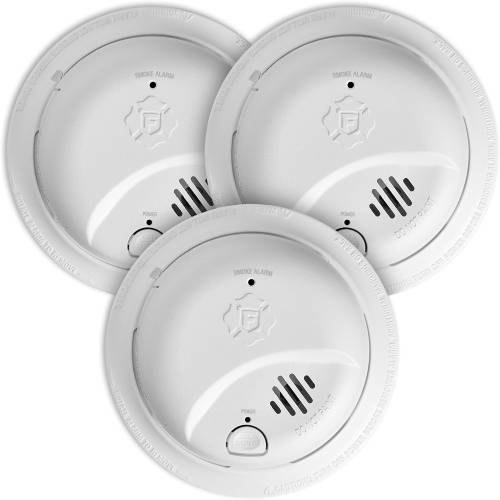
Test every smoke and carbon monoxide alarm
Press the test button on each alarm and replace batteries in any that sound weak. Colorado requires carbon monoxide alarms near sleeping areas in many homes with fuel-burning appliances or attached garages, so check those too. If you are replacing smoke alarms, interconnected alarms mean that when one sounds, they all do.
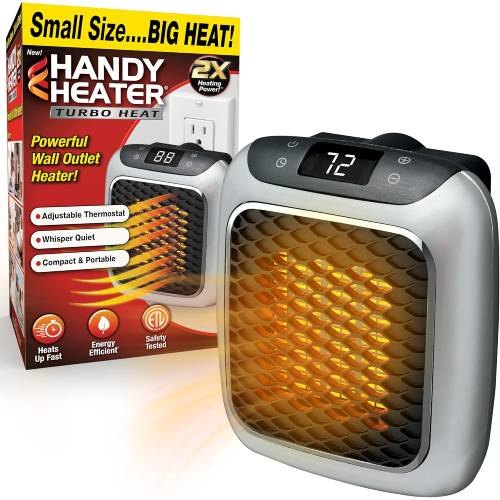
Give space heaters room
- Keep heaters at least three feet from beds, curtains and furniture
- Plug them straight into a wall outlet, never an extension cord or power strip
- Choose models with tip-over and overheat shutoff
- Turn them off when you leave the room or go to sleep, or use a model with a timer
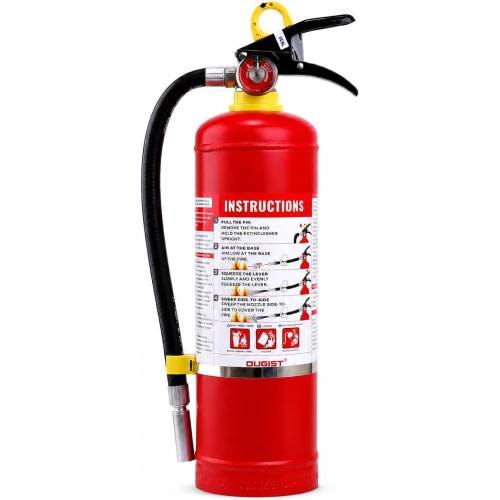
Put an extinguisher where you can reach it
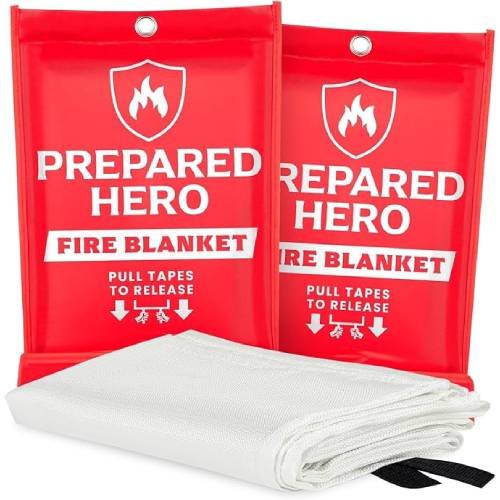
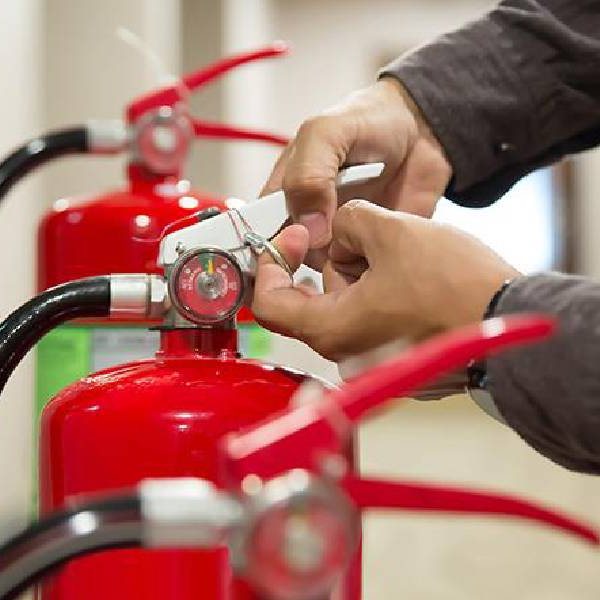
An ABC-rated extinguisher belongs in the kitchen and another in the garage. Check that the gauge needle is in the green. A fire blanket mounted beside the stove handles small pan fires without powder to clean up.
Check outlets that work hard
Outlets that run heaters, holiday lights or a chest freezer can warm up over time. If a plate feels hot or you notice a burning smell, unplug and call an electrician. A plug-in overheating sensor gives an early warning in older homes.
Do not forget the car
Tire pressure drops about one PSI for every ten degrees of temperature change, so a cold morning can trigger the warning light. Top up in the driveway with a cordless inflator, and keep a blanket and an emergency kit in the trunk for I-25 delays.
From this article